

Are you sure your home is ready to go on the market, or have you finished the visible chores? A strong checklist for listing a home goes beyond cleaning the counters and putting a sign in the yard. The order matters. Condition should be assessed before cosmetic spending, documents should be organized before offers arrive, and pricing should reflect local evidence before photography and marketing begin.
That sequence matters across Palm Coast, St. Augustine, Flagler County, and surrounding communities. A Palm Coast beachside property, a golf-course home, a historic St. Augustine residence, and a Flagler Estates home may attract different buyers and raise different questions about maintenance, insurance, permits, layout, and location. Generic advice can miss those distinctions.
The following 10-step roadmap connects visible preparation with the behind-the-scenes work that supports a smoother sale. It's designed for homeowners, absentee owners, move-up sellers, downsizing households, and anyone evaluating Palm Coast home values before making a decision. As a Strategic Listing Agent serving Palm Coast, St. Augustine, Flagler County, and nearby areas, Marilynn Wolfe helps sellers use market insight and practical priorities rather than spending automatically on every possible upgrade.
1. Deep Clean and Declutter Your Home
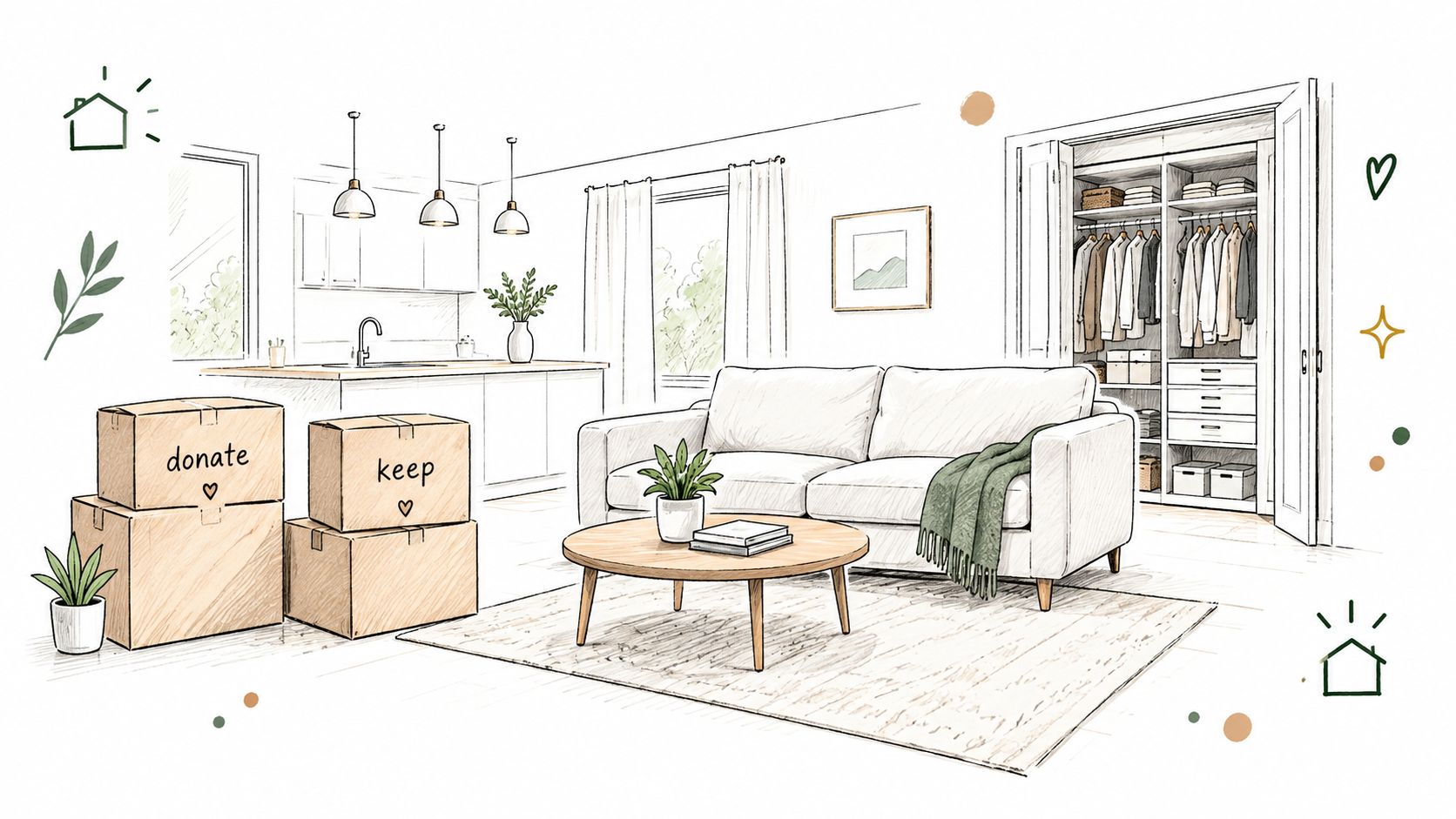
A clean, open home gives buyers room to evaluate the property instead of your belongings. Start with personal photos, collections, excess furniture, crowded shelves, overflowing closets, and kitchen counters covered with small appliances. The aim isn't to make the home look sterile. It's to create a neutral setting where someone relocating to Palm Coast or St. Augustine can picture daily life there.
Work one room at a time. Photographing the space before cleaning can help you see which changes make the strongest visual difference, especially in the kitchen, primary bathroom, entryway, and main living area. If time is limited, hire a professional cleaning service for the first deep clean, then maintain the result yourself.
Focus on what buyers inspect first
Clear countertops, clean cabinet fronts, wash windows, scrub grout, dust ceiling fans, and remove odors rather than covering them with strong fragrances. In a Florida home, pay close attention to entry floors, screened porches, sliders, and areas where sand, humidity, or outdoor debris accumulate.
Practical rule: Store anything you wouldn't want visible in your listing photographs, including pet supplies, laundry, medications, and excess bathroom products.
Keep pets and family members away from freshly cleaned spaces before showings when possible. For an absentee owner, a local cleaner, organizer, or trusted contact can complete this work and send dated photos before the property is photographed.
2. Price Your Home Competitively Based on Local Market Data
Pricing starts with evidence, not with the amount you hope to net or the price a neighbor mentioned. Zillow recommends using its Zestimate as a ballpark, then refining the figure with local comparable sales, a comparative market analysis, or an appraisal through its home-pricing guidance. The important distinction is between what similar homes are asking and what comparable homes sold for.
A Palm Coast real estate market analysis should account for neighborhood, condition, lot, age, improvements, flood considerations, HOA costs where applicable, and the difference between a beachside, inland, golf-course, or Flagler Estates property. St. Augustine pricing also requires care because historic character, renovation quality, access, and location can produce very different buyer responses within a relatively small area.
Spend preparation dollars with a purpose
Current seller guidance recommends beginning with a net-proceeds estimate and budgeting roughly 1% to 3% of the expected sale price for preparation. That guidance appears in seller preparation and net-proceeds advice, which also emphasizes paint, curb appeal, and functional repairs over vanity improvements.
That doesn't mean every home needs the full budget. A well-maintained property may need cleaning and presentation, while an older home may need system evaluations before cosmetic work. Ask which repair could reduce inspection friction, which improvement could support positioning, and which project is unlikely to recover its cost. If early feedback consistently points to price rather than condition, be prepared to reassess instead of waiting for the market to solve the problem.
3. Enhance Curb Appeal and Exterior Appearance
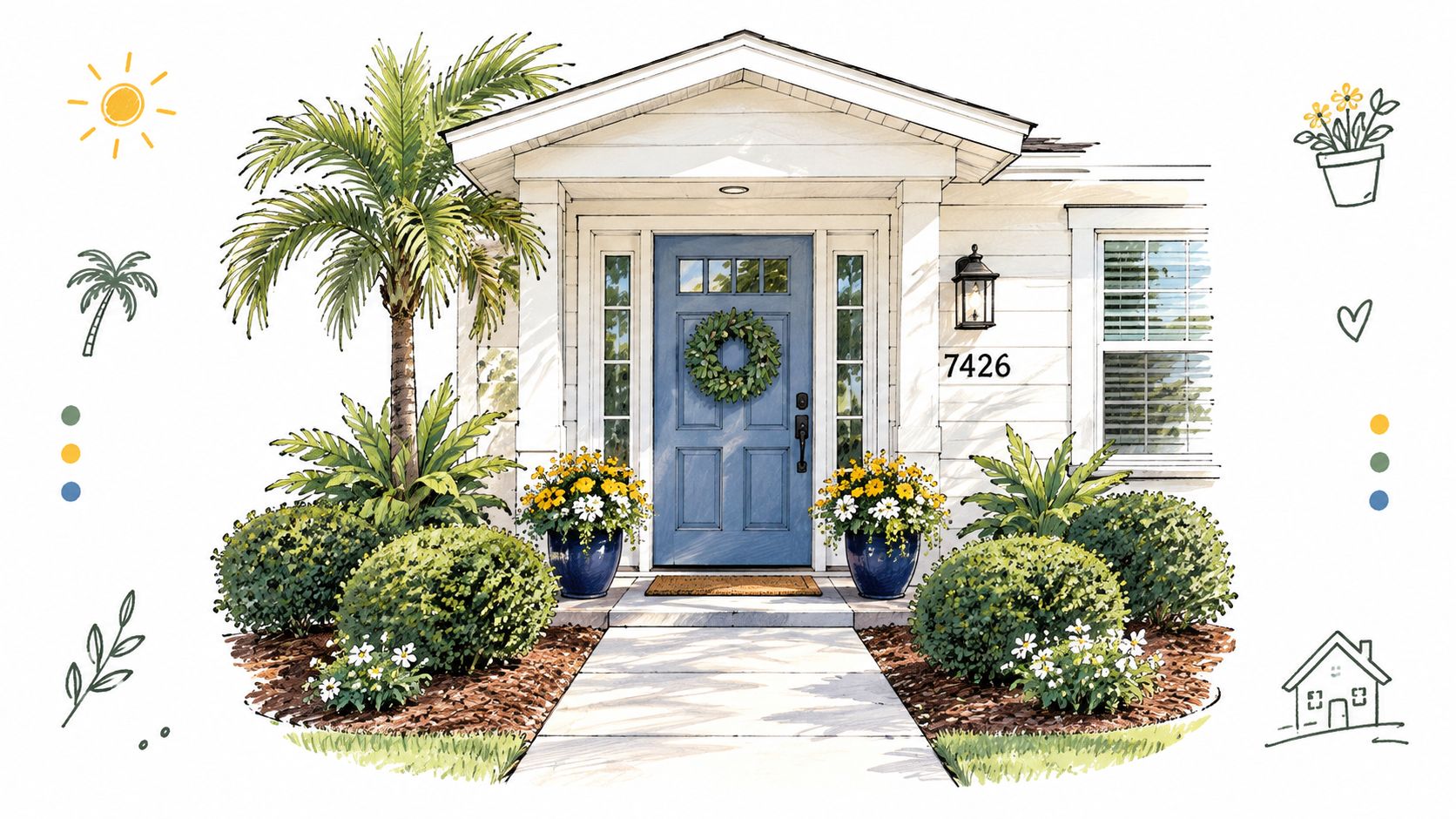
Buyers form an impression before they reach the front door. Trim vegetation so the entrance and façade are visible, remove yard clutter, clean windows, and make sure the walkway feels accessible. Florida's subtropical conditions can leave driveways, walkways, siding, and screened areas marked by algae or weather, so pressure washing can produce a noticeable improvement when done safely.
A Palm Coast home near the coast may need attention to salt exposure, outdoor fixtures, and landscaping resilience. A St. Augustine property may benefit from a more traditional entrance that respects its architectural character. In Flagler County and Flagler Estates, buyers may pay close attention to lot presentation, access, drainage clues, and the relationship between the home and surrounding land.
Make the entrance photograph well
Replace burned-out exterior bulbs, confirm that house numbers are visible, repair obvious damage, and use restrained color near the entry. A clean doormat and one or two healthy potted plants usually work better than crowded seasonal décor.
- Open the view: Trim bushes and trees that hide windows or the front door.
- Clean hard surfaces: Remove stains and organic buildup from walkways and driveways.
- Check visible repairs: Look for damaged siding, loose rails, cracked screens, and worn door hardware.
- Finish the details: Test exterior lighting and make sure the entry feels welcoming at the time of day buyers may arrive.
For an out-of-area owner, coordinate these tasks with one local vendor and request completion photos. That reduces unnecessary trips and gives the listing team a clear record of what changed.
4. Complete Essential Repairs and Address Code Violations
Cosmetic perfection can't compensate for a leaking roof, malfunctioning HVAC system, active plumbing leak, unsafe electrical condition, broken window, or door that won't operate correctly. Before spending on decorative upgrades, identify the problems an inspector, appraiser, lender, or buyer is most likely to question.
A pre-listing inspection can provide that information while you still control the schedule. It doesn't mean you must repair everything. It gives you a basis for deciding whether to repair, disclose, obtain estimates, adjust the price, or sell with the condition clearly understood.
Separate functional repairs from vanity projects
Older St. Augustine homes may require careful attention to plumbing, electrical systems, roof condition, and documentation for prior work. Palm Coast properties can raise questions about roof age, HVAC performance, storm-related wear, and maintenance records. A Flagler Estates property may need a different review of access, utilities, outbuildings, or site conditions.
Buyers can accept an older home. They're less comfortable discovering that the seller didn't understand or disclose its condition.
Obtain written estimates for significant work and retain receipts, warranties, permits, and service records. Known code matters should be addressed directly with qualified professionals and legal guidance where appropriate. A repair that improves safety or function may be worthwhile even if it doesn't add the same amount to the sale price, because it can reduce inspection friction and prevent a buyer from treating the issue as an unknown risk.
5. Update Interior Paint and Refresh Wall Conditions
Paint often changes how buyers read a home in photographs and in person. Scuffed walls, strong accent colors, stains, worn trim, and marked doors can make a property feel older or less maintained than it is. Soft whites, light grays, and warm beiges generally give buyers a flexible background, but the right choice should still fit the home's light, flooring, architecture, and likely audience.
A move-up buyer comparing Palm Coast homes may respond well to a clean, consistent palette that emphasizes usable space. A buyer considering a historic St. Augustine property may prefer character, provided the colors and finishes look intentional rather than neglected. Don't erase every distinctive feature automatically. Remove distractions that compete with the home's strongest attributes.
Paint for presentation, not personal taste
Use the same or closely related wall color through connected areas to improve visual flow. Repair nail holes and dents first, and inspect trim, doors, ceilings, and baseboards because cameras and buyers notice unfinished edges.
- Choose durable finishes: Use quality paint in high-contact areas such as hallways and family rooms.
- Avoid rushed color decisions: Test samples in both natural and artificial light.
- Coordinate the sequence: Complete painting before staging and photography.
- Allow the home to air out: Plan enough time for odors to dissipate before showings.
If the existing paint is clean and neutral, a full repaint may be wasteful. Touch-ups, wall washing, and targeted repairs could be the better use of the preparation budget.
6. Stage Your Home to Highlight Space and Flow
Decluttering removes distractions. Staging decides how the remaining furniture and décor should communicate space, purpose, and movement. A sofa that blocks a pathway, an oversized bedroom set, or a dining table that crowds the room can make a sound floor plan feel difficult.
The National Association of Realtors' 2025 Profile of Home Staging reports that 83% of buyers' agents said staging made it easier for buyers to visualize a property as a future home. The same report identifies the living room, primary bedroom, and dining room as the most commonly staged spaces, at 91%, 83%, and 69%, respectively.
Stage according to the property
In a smaller Palm Coast home, removing a bulky chair may do more than adding decorative pieces. In a larger property, staging can define spaces that otherwise feel empty. A golf-course home should keep sightlines toward the view open, while a historic St. Augustine home may benefit from furnishings that support its scale and architectural details.
Arrange seating around a clear focal point, use lamps where rooms feel dim, and keep personal items limited. Buyers should understand how each room works without needing a tour guide to explain it.
The return depends on the property and the seller's circumstances. A vacant home may need furniture rental, while an occupied home may only need editing and rearrangement. For a remote seller, a local stager can prepare the home before photography and coordinate removal or storage later.
7. Professional Photography and Virtual Tour Preparation
Your online presentation is the first showing for many buyers. The National Association of Realtors' 2023 staging profile found that sellers' agents said photos were important to clients 89% of the time, compared with 44% for traditional physical staging and 44% for video. That makes professional photography a baseline listing expense, not an afterthought.
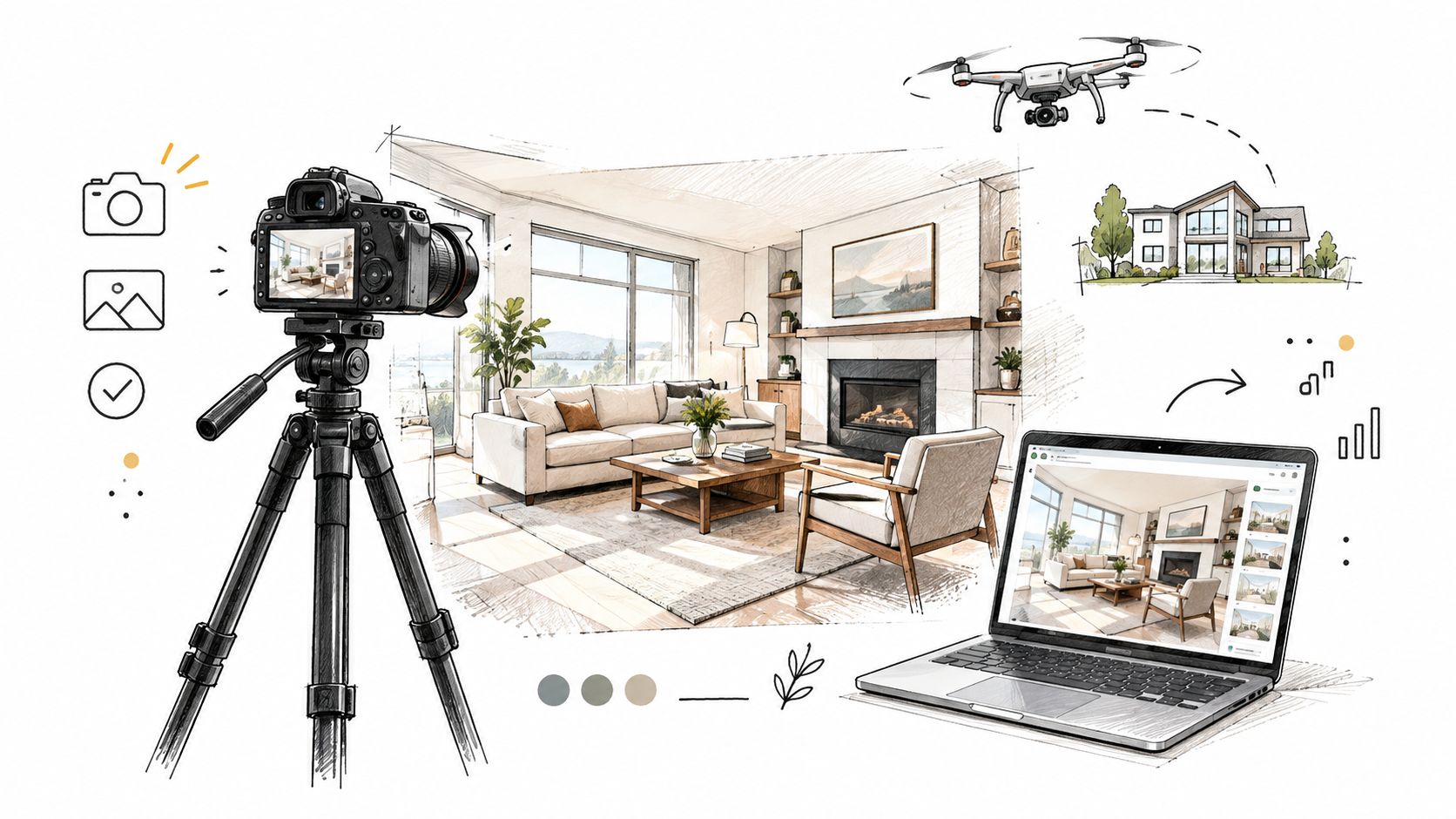
Photography should happen only after repairs, cleaning, paint, exterior work, and staging are complete. Ask the photographer to show the home's best features accurately, including natural light, outdoor living areas, water or golf views, storage, and distinctive architecture. Wide angles should communicate space without making rooms misleadingly large.
Prepare the property for the camera
Turn on working lights, open appropriate blinds, hide cords and remotes, remove trash cans, and clear counters. If the lot, coastline, preserve, pool, or community setting is a major selling point, discuss aerial photography or a virtual tour with the listing professional.
The right media package depends on the home. A compact property may need excellent still photography and a floor plan. A larger Palm Coast home, a remote-owner listing, or a property attracting relocating buyers may benefit from video or a virtual walkthrough that helps prospects decide whether an in-person visit is worthwhile.
8. Update Kitchen and Bathroom Fixtures Strategically
Kitchens and bathrooms receive close attention because buyers use them to judge maintenance, function, and move-in readiness. That doesn't mean every seller should replace cabinetry, install new countertops, or remodel a bathroom. Large renovations can consume time and money while imposing a style that doesn't suit the market or the home.
Start with visible, contained changes. Replace dated faucets, cabinet hardware, and light fixtures when they make the room look tired. Refresh caulk, repair loose handles, clean grout, and ensure every fixture works correctly. These details matter in Palm Coast and St. Augustine homes where buyers may compare properties with very different ages and renovation histories.
Improve the rooms buyers notice most
Prioritize the kitchen and primary bathroom if both need attention. Choose finishes that are modern but durable rather than highly trendy. Consistent hardware can make a home feel more intentional, while functional bathroom lighting helps buyers assess the room accurately.
- Use a measured approach: Update the features that photograph poorly or signal deferred maintenance.
- Protect the budget: Don't replace a functioning appliance solely because a newer style is available.
- Match the home: Preserve character in a historic property when it supports the architecture.
- Check installation: A beautiful faucet or light fixture still creates a problem if it leaks or isn't properly secured.
An absentee owner can authorize a focused fixture package with a local contractor rather than coordinating several unrelated projects. The goal is a cleaner presentation and fewer buyer objections, not a renovation contest.
9. Prepare Documentation and Disclosure Materials
The paperwork can determine whether a well-presented listing moves smoothly toward closing. Gather repair receipts, warranties, appliance manuals, permits, insurance information, HOA documents, utility details, inspection reports, and records for major systems before the home goes live. For move-up sellers and downsizing homeowners, preparing these materials early also clarifies what belongs with the property and what will move with you.
Florida sellers have an important disclosure responsibility. Florida guidance explains that sellers must disclose known facts that materially affect a property's value and aren't readily observable or known by the buyer. That duty applies even when the property is sold as-is, and Florida guidance addresses matters including flood risk, radon, and certain code-enforcement issues. Review the Florida Realtors residential seller disclosure form with your real estate professional and qualified legal advisers when needed.
Treat disclosures as part of preparation
Florida Statute 689.261 requires a prospective residential purchaser to receive a disclosure summary at or before contract execution. The Florida Statutes text also warns that buyers shouldn't rely on the seller's current property taxes as the amount they may owe after purchase.
Digitize documents for an absentee owner, label files clearly, and keep copies of everything provided. If you know of unpermitted work or a pending code matter, don't guess at the answer or conceal it. Ask the appropriate professional how to document and resolve it before accepting an offer.
10. Schedule the Professional Marketing Launch and Showings
The launch should be planned as a coordinated event, not as the moment someone uploads a few photographs. Confirm the listing date, final price, media schedule, property description, showing instructions, lockbox access, feedback process, and communication plan. In Palm Coast real estate and St. Augustine real estate, the best launch approach may differ by neighborhood, property type, season, and buyer audience.
The first showing should match the presentation promised online. Keep the home clean, lights working, scents neutral, pets managed, and temperature comfortable. Occupied households need a realistic routine, especially when work schedules, school, pets, or health needs make short-notice access difficult.
Build a showing process you can maintain
Discuss showing windows with your agent instead of accepting a schedule that creates unnecessary stress. Some sellers prefer grouped appointments, while others need defined blocks during weekdays and weekends. Absentee owners should establish who handles urgent access, alarm systems, lawn service, utilities, and last-minute maintenance.
A showing plan only works when the seller can follow it consistently.
After showings, look for patterns in feedback. Several comments about a dark room may justify improved lighting. Repeated concerns about condition may call for documentation or a repair estimate. If the consistent concern is price, review the comparable evidence and current response rather than making random cosmetic changes.
For contract-to-closing logistics, keep communication centralized. Track inspection dates, repair decisions, appraisal access, title questions, lender requests, and move-out timing. A professional launch is successful only when the process remains organized after the listing attracts attention.
10-Point Home Listing Checklist Comparison
| Item | Implementation complexity | Resource requirements | Expected outcomes | Ideal use cases | Key advantages |
|---|---|---|---|---|---|
| Deep Clean and Declutter Your Home | Low–Moderate (time and labor) | Time, cleaning supplies or pro cleaners, storage for removed items | Cleaner, larger-feeling rooms; reduced buyer distractions; more showings | Pre-staging, cluttered homes, quick-prep listings | High impact for low cost; foundation for staging |
| Price Your Home Competitively Based on Local Market Data | Moderate–High (market analysis needed) | MLS/data access, agent expertise, time for CMA | Faster sale, more qualified buyers, better final price positioning | All listings, fluctuating or segmented local markets | Maximizes offers and reduces days on market |
| Enhance Curb Appeal and Exterior Appearance | Low–Moderate (seasonal upkeep, minor repairs) | Landscaping, mulch/plants, pressure washing, minor contractor work | Strong first impressions, better listing photos, higher perceived value | Homes with visible exterior issues or high curb visibility | High ROI for modest investment; improves online attraction |
| Complete Essential Repairs and Address Code Violations | High (technical repairs, inspections) | Contractors, inspection fees, permits, budget/time | Fewer appraisal/financing issues, smoother closings, higher buyer confidence | Older homes, homes with system or code concerns | Reduces buyer leverage; prevents closing delays |
| Update Interior Paint and Refresh Wall Conditions | Low–Moderate (prep and painting) | Paint, professional painters recommended, time for curing | Fresh, neutral appearance; broader buyer appeal; brighter rooms | Dated colors, scuffed walls, quick ROI updates | High ROI, relatively fast and inexpensive |
| Stage Your Home to Highlight Space and Flow | Moderate (design and arrangement) | Professional stager or furniture rental, accessories, labor | Improved photos, faster sales, stronger offers | Larger homes, unusual layouts, vacant properties | Helps buyers visualize use of space; emotional appeal |
| Professional Photography and Virtual Tour Preparation | Low–Moderate (scheduling and setup) | Photographer, drone/3D tech, completed staging/cleaning | Increased online visibility, more showings, higher engagement | Competitive markets, visually appealing or unique properties | Essential for online marketing; attracts serious buyers |
| Update Kitchen and Bathroom Fixtures (Strategic Focus) | Moderate (selective upgrades) | Fixtures, hardware, contractor/handyman, modest budget | Modern look, improved functionality, better appraisal perception | Dated kitchens/baths, targeted cosmetic refreshes | Significant visual impact for modest expense |
| Prepare Documentation and Disclosure Materials | Low–Moderate (organizational work) | Time to gather records, permits, inspection/legal support if needed | Smoother transaction, fewer surprises, increased buyer trust | All sales; older homes or HOA properties | Prevents financing delays; demonstrates transparency |
| Schedule Professional Marketing Launch and Showings | Moderate (coordination and timing) | Agent coordination, scheduling tools, show-ready home | Strong first-week momentum, optimized showings, quicker offers | Time-sensitive listings, competitive local markets | Maximizes exposure and collects actionable feedback |
Make Your Listing Ready With Local Guidance
The most useful checklist for listing a home is a working timeline. Begin by cleaning and decluttering, then evaluate condition and complete priority repairs. Refresh only the paint, fixtures, and exterior details that improve presentation or reduce buyer concern. Organize Florida disclosures and property records before an offer arrives. Price from local comparable evidence, then schedule photography, marketing, showings, inspections, appraisal access, and closing logistics as one connected process.
That sequence helps sellers avoid two common mistakes. The first is spending heavily on attractive but low-priority upgrades before discovering a roof, HVAC, plumbing, electrical, or documentation issue. The second is putting a property online before it can consistently match the expectation created by its photographs and description.
Local context should shape every decision. A Palm Coast beachside home may need a different presentation from an inland property or golf-course residence. A St. Augustine historic home may require more careful treatment of character, permits, and older systems. Flagler Estates homes and properties across Flagler County may raise different questions about land, utilities, access, and buyer expectations. Surrounding communities also vary in how buyers compare condition, location, lifestyle, and price.
The right preparation budget depends on your goals. A homeowner moving into another property may prioritize timing and predictable proceeds. An absentee owner may need remote coordination, digitized records, and a local vendor network. A downsizing or 55+ seller may value a clear plan that reduces possessions and simplifies the move. A seller considering a new construction purchase may need to coordinate the existing sale with builder timelines without committing to unnecessary work.
Use the checklist to decide, not to spend automatically. A detailed review of Palm Coast home values, St. Augustine housing market conditions, or broader Palm Coast real estate market trends can help you understand how buyers may position your home against competing listings. Marilynn Wolfe, LPT Realty LLC, serves homeowners throughout Palm Coast, St. Augustine, Flagler County, Flagler Estates, and surrounding Northeast Florida communities with pricing strategy, marketing preparation, and practical guidance from the first consultation through closing.
If you're curious what your home could sell for, a personalized valuation can help you evaluate the next step before you commit to repairs or a listing date. Marilynn also works with absentee owners, move-up sellers, downsizing homeowners, relocating buyers, and clients exploring new construction, so the preparation plan can reflect the larger decision you're making.
Marilynn Wolfe, LLC offers local home valuation guidance, pricing strategy, listing preparation, and coordinated marketing for sellers in Palm Coast, St. Augustine, Flagler County, and surrounding areas. To discuss your checklist, likely proceeds, or next move, visit Marilynn Wolfe, LLC, call 904-429-2829, or email marilynnwolfe.realtor@gmail.com.