

What makes a selling strategy work locally? It isn't just choosing a listing price or uploading attractive photos. Homeowners in Palm Coast, St. Augustine, Flagler County, and surrounding communities need to attract serious buyers while protecting their net proceeds, and that takes several coordinated decisions.
Pricing, presentation, buyer targeting, timing, risk reduction, and negotiation all influence the outcome. A waterfront property in Palm Coast has a different audience from a home in a 55+ community. A historic St. Augustine property needs a different presentation from a newer Flagler Estates home. Absentee owners and relocating buyers also need information they can trust before they commit to an in-person showing.
Current conditions make preparation especially important. In its 2026 Spring Seller Survey, Realtor.com reported that 83% of planned sellers expected to receive asking price or more, while only 54% had researched neighborhood prices and 44% had decided which improvements to make. That gap between confidence and preparation is where a thoughtful local plan can make a meaningful difference.
As a Strategic Listing Agent serving Palm Coast, St. Augustine, Flagler County, and nearby Northeast Florida communities, Marilynn Wolfe helps homeowners make those decisions in the right order. These 10 strategies for selling focus on the choices most likely to shape buyer response, transaction certainty, and the final result.
1. Price From Local Market Evidence
The right price creates attention. The wrong price can make a well-maintained home look overlooked, even when the property itself is appealing.
For Palm Coast real estate, a useful pricing review should compare recent closed sales with active and pending listings in the same neighborhood or a comparable area. Palm Coast home values aren't determined by a broad county average alone. Waterfront access, lot position, updates, HOA services, flood considerations, community amenities, and proximity to shopping or the coast can all change the buyer pool.
St. Augustine requires its own pricing lens. A historic property near the district may attract buyers who value architectural character, walkability, and restoration quality. Pricing it as though it were newer construction can miss the expectations of that audience. Flagler Estates homes have different land, access, utility, and buyer considerations, so a generic comparison may be misleading.
Protect the first impression
The first weeks on the market matter because buyers and their agents are forming an opinion quickly. In August 2026, Realtor.com reported that sellers were making their first price reduction about 34 days after listing. The same report said reductions were occurring three to four days sooner than the prior year.
That doesn't mean every home needs to be discounted immediately. It does mean sellers should establish a review plan before listing. If showings are limited, feedback repeatedly identifies value concerns, or offers aren't developing, revisit positioning instead of defending an outdated number.
Practical rule: Price for the buyers you want to attract, not for the one buyer you hope will ignore the comparable evidence.
Ask for a detailed comparative market analysis, discuss the likely buyer profile, and decide in advance what signals would justify a pricing adjustment. A strategic launch is usually stronger than starting high and waiting for the market to correct the decision.
2. Present the Home So Buyers Understand Its Value
Staging isn't about making every home look identical. It's about helping buyers understand the space, its purpose, and its strongest features without being distracted by the seller's belongings.
Start with the basics: remove excess furniture, reduce visible collections, repair small defects, clean windows, and open curtains. Each room should have a clear function. In Palm Coast, that might mean showing how a spare room works as an office, guest room, or hobby space. In a 55+ community, comfortable flow, storage, accessibility, and low-maintenance living may matter more than dramatic décor.

The National Association of Realtors' 2025 Profile of Home Staging found that 29% of agents said staging a seller's home led to a 1% to 10% increase in the dollar value offered, and 49% said staging reduced the time the home spent on the market. Those findings support a practical point: presentation can affect both offer strength and market exposure.
Match presentation to the property
A St. Augustine historic home should show its original details clearly. Period-appropriate furnishings can support the story of hardwood floors, trim, ceiling height, or restored features. Modern décor that hides those details may make the home feel less distinctive.
For a Palm Coast waterfront home, arrange furniture to frame the view and preserve natural light. For Flagler Estates properties, keep outdoor areas clean and useful, and make the lot feel intentional rather than neglected.
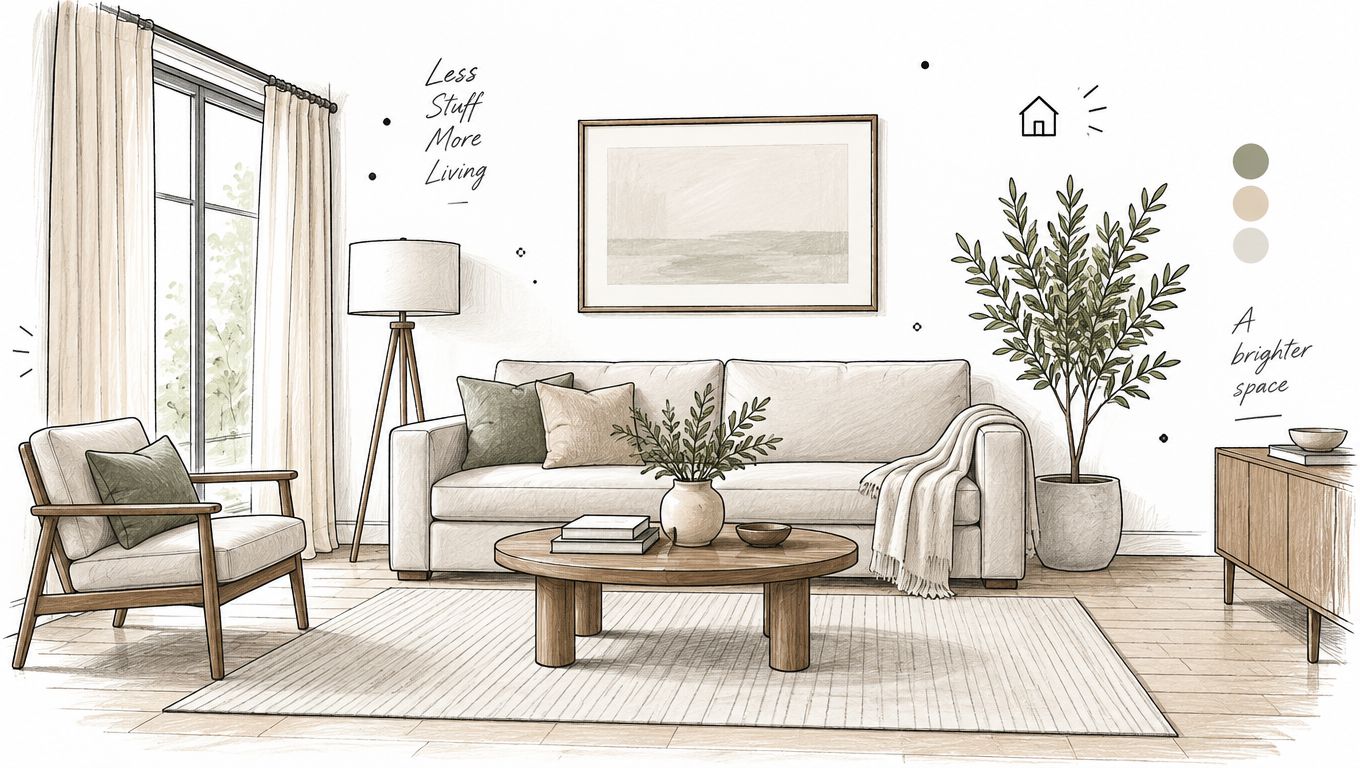
A professional staging consultation may be enough for some homes. Others need furniture changes or short-term rental pieces. Spend where buyers look first, particularly the entry, kitchen, living areas, and primary bedroom, rather than decorating every corner.
3. Use Photography and Virtual Tours to Reach Beyond the Neighborhood
Your listing has to earn attention before a buyer ever schedules a showing. Professional photography gives the property a fair opportunity online, where relocating buyers and absentee owners often begin their research.
A photographer should understand how to manage Florida light, room proportions, reflective surfaces, and outdoor views. Photos should show the home's layout clearly while emphasizing its strongest features. For a Palm Coast waterfront property, that can include the shoreline, dock, pool, patio, or relationship between indoor and outdoor living. Drone photography can help buyers understand the setting when the lot, water access, or surrounding terrain is a major part of the value.
St. Augustine historic homes benefit from close attention to architectural detail. Images of original floors, fireplaces, molding, windows, porches, and thoughtful restoration can attract buyers specifically looking for character rather than a conventional modern interior.
Make distance less uncertain
A virtual tour can help an out-state buyer narrow a decision before traveling to Northeast Florida. It can also help an absentee owner monitor the listing process without being physically present. The tour should follow a logical path through the home, not just collect disconnected room views.
Consider twilight photography when outdoor living is a major feature. Schedule the primary session when natural light supports the home's best orientation, and remove vehicles, bins, personal photographs, and temporary clutter before the photographer arrives. Strong media can't compensate for poor pricing or deferred maintenance, but weak media can hide a well-positioned property from the right buyer.
4. Target the Buyer Most Likely to Act
Broad exposure matters, but reach without relevance can create activity that doesn't lead to a qualified offer. A targeted marketing plan begins by identifying who is most likely to buy the property and why.
A Palm Coast condo may appeal to retirees, seasonal owners, or buyers relocating from another state. A larger home may fit a move-up buyer who needs space for work or family. A St. Augustine historic property may need messaging that reaches buyers who value preservation, walkability, and architectural character. Flagler Estates homes may attract buyers with a different tolerance for land management, rural surroundings, and property preparation.
Build the message around the decision
Use the listing description, photos, email outreach, social media, and digital advertising to answer the questions that matter to the intended audience:
- For relocating buyers: Explain commute context, nearby communities, daily conveniences, and the practical steps involved in moving to Palm Coast or St. Augustine.
- For downsizers and 55+ homeowners: Emphasize manageable upkeep, community features, layout, storage, and lifestyle fit without overstating what the property offers.
- For waterfront buyers: Show access, views, outdoor living, and maintenance considerations clearly.
- For historic-home buyers: Describe preserved details and completed work accurately, with documentation available where appropriate.
An absentee owner may need a coordinated process for access, vendor scheduling, repairs, and showing feedback. Marketing should support that process rather than treat the property as a standard listing. Review which inquiries produce serious conversations and adjust the audience or message when the response isn't aligned with the home.

5. Reduce Surprises With Inspection and Disclosure Planning
A pre-sale inspection gives a seller information before a buyer uses the inspection period to shape negotiations. It can reveal maintenance items, safety concerns, moisture evidence, roof questions, or system issues that are easier to address when the seller has time to evaluate options.
The inspection doesn't mean every defect must be repaired. A seller might fix a material safety issue, document a completed repair, or price the home to reflect a known condition. The important point is to make that decision deliberately rather than during a contract deadline.
Seller disclosures are legal documents, not persuasive listing copy. NAR explains that disclosure requirements vary by state and local law, and disclosures are typically due before a buyer signs a binding contract of sale. Florida sellers should discuss the appropriate disclosures and facts with a qualified real estate professional and, when needed, legal counsel.
Pay attention to Northeast Florida conditions
Moisture intrusion, roof condition, pest damage, drainage, and aging mechanical systems deserve careful review in Florida homes. Historic properties in St. Augustine may have documented settlement or prior repairs that buyers will want to understand. Waterfront homes may require additional questions about decks, seawalls, docks, insurance, or access.
For homes built before 1978, Homes.com explains that federal rules require sellers to disclose known lead paint, regardless of state disclosure rules. Keep permits, invoices, warranties, contractor details, and reports organized. Clear documentation won't eliminate every negotiation, but it can replace uncertainty with usable information.
6. Design Showings Around Serious Buyer Access
Open houses can help, but they aren't a complete showing strategy. Private appointments through buyer agents, virtual tours, and focused previews often provide better context about buyer motivation and feedback.
An open house may work well for a Palm Coast condo community with active local traffic or a newly listed St. Augustine home with strong curb appeal. It may be less useful for a highly private waterfront property where qualified buyers prefer a controlled appointment. The decision should reflect the property's location, audience, security needs, and launch timing.
Prepare the home consistently for every showing. Clean surfaces, manage pet arrangements, turn on lights, open appropriate blinds, and remove valuables and medication. Provide a concise feature sheet that includes improvements, utility information, community details, and contact information.
Buyers don't need a crowded event. They need enough access and information to decide whether the home deserves a serious offer.
Use registration and follow-up appropriately, while respecting privacy and local practice. Ask buyer agents for specific feedback about price, condition, layout, and competing homes. If visitors repeatedly like the property but question value, that pattern is more useful than a raw attendance count.
7. Improve Curb Appeal Before Buyers Judge the Interior
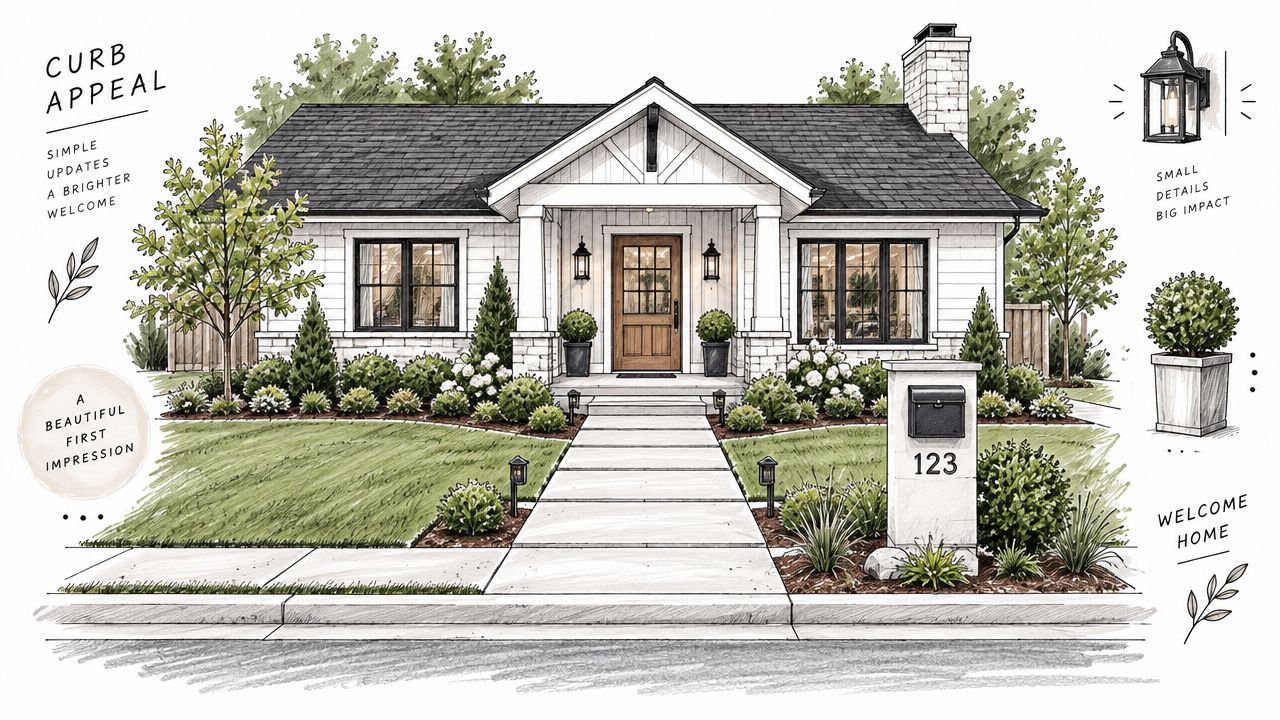
Many sellers focus on kitchens and bathrooms while overlooking the approach to the front door. Buyers begin forming an opinion from the street, the driveway, the entry path, and the condition of the landscaping.
The strongest exterior improvements are usually focused rather than elaborate. Trim overgrowth, refresh mulch, clean walkways, power wash appropriate surfaces, repair visible damage, and make the entrance easy to find. A painted front door, updated hardware, clear house numbers, and functioning lighting can make a tired exterior feel cared for.
Adjust the exterior to the property
A St. Augustine historic home needs restraint. Mature landscaping and period-appropriate plantings can reinforce the property's character, while overly modern choices may feel disconnected from the architecture.
For Palm Coast homes, keep lawns and planting beds maintained during the entire marketing period. On waterfront properties, make sure decks, railings, patios, and views are clean and unobstructed. In Flagler Estates, buyers may care about the relationship between the home, driveway, lot, outbuildings, and outdoor space, so present the whole property rather than only the front façade.
Avoid expensive exterior design that reflects personal taste but doesn't improve buyer understanding. Focus on visible maintenance and a welcoming entry. If evening showings are likely, subtle lighting can help buyers see paths and exterior features safely.
8. Evaluate Offers by Certainty, Not Price Alone
The strongest offer is the one most likely to close on the terms you need. Price matters, but so do financing strength, appraisal risk, inspection timing, earnest money, contingencies, closing date, and the buyer's ability to perform.
In Palm Coast, a slightly lower offer can be the better result if it comes with cleaner financing and fewer conditions. That trade-off matters even more for sellers who are lining up a move-up purchase or a relocation deadline. A higher number on paper does little good if the deal is more likely to stall.
Separate attractive terms from hidden exposure
A financed offer with an appraisal contingency is not a problem by itself. It becomes a risk point only if the seller cannot absorb a low appraisal or a repair dispute. Cash can reduce financing uncertainty, but a cash buyer may also push harder on price or due diligence.
Concessions affect the net sale too. Redfin reported that sellers offering concessions reached an August 2026 high of about 45%, and nearly 16% combined concessions with price cuts. Those concessions can help a buyer cover closing costs or bridge financing gaps, but they reduce what the seller keeps.
The practical move is to compare net proceeds, timing, contingencies, and likely failure points before accepting. In St. Augustine, that can matter for historic homes with more inspection sensitivity. In waterfront homes, it can matter when insurance, inspection, or appraisal questions are more likely. In 55+ communities and for relocating buyers, a clean path to closing may be more valuable than a slightly higher bid with more friction.
9. Repair What Buyers Will Question Most
Selling doesn't always require a full renovation. It does require a clear decision about which conditions affect safety, financing, insurability, buyer confidence, and perceived value.
Start with the systems buyers and inspectors are likely to scrutinize. In Northeast Florida, that often includes the roof, HVAC, electrical components, plumbing, moisture management, and flooring. Kitchen and bathroom improvements can help when the existing condition is visibly dated, but their value depends on neighborhood expectations and the property's price range.
Match improvements to the property's identity
A St. Augustine historic home shouldn't lose its character in an effort to appear newly built. Period-appropriate fixtures, carefully selected finishes, and documented restoration may be more persuasive than a generic renovation.
For Palm Coast real estate, practical updates can matter greatly to buyers comparing maintenance needs. A 55+ buyer may value a reliable HVAC system, manageable flooring, and an uncomplicated layout more than highly personalized finishes. A relocating buyer may prefer a home with documented work because they can't easily oversee repairs from another state.
Get more than one contractor opinion where practical, verify references, and confirm whether permits are needed. Choose durable, broadly appealing finishes. Keep receipts, warranties, permits, and contractor information in one file so the buyer's agent can answer questions efficiently.
Don't spend automatically because a room feels old. Compare the likely improvement in buyer confidence with the cost, timeline, and risk of unfinished work. Sometimes a transparent adjustment is more sensible than a rushed renovation.
10. Time the Listing Around the Property and Buyer
There isn't one perfect listing month for every home. Timing should reflect the property's audience, the seller's readiness, competition, and the conditions needed to show its features well.
Spring and early summer often bring more buyer activity in Northeast Florida, which can help move-up sellers and relocating families who are planning ahead. Fall may offer a useful balance for sellers who want active buyers without the same level of competition. Summer can be quieter for some households, but a prepared listing may benefit from fewer competing properties.
Winter can be especially relevant for Palm Coast and St. Augustine properties that appeal to retirees, seasonal owners, and buyers relocating to Florida. A 55+ community may have an audience that is actively evaluating a move during that period. A waterfront home may be best presented when views, outdoor living, and access are easy to understand.
Let readiness lead the calendar
Seasonality shouldn't be used to justify delaying a well-prepared home indefinitely. If the property needs repairs, documents, staging, or a pricing decision, completing those steps may matter more than waiting for a preferred season.
Monitor market time as a signal rather than a verdict. OpenDoor defines days on market as the time a home is actively listed from MLS entry to contract and describes a balanced or hot-market guideline in which no serious offer after 14 to 21 days can prompt a pricing review. The same guide discusses a possible 2% to 5% reduction between days 14 and 30 when showings are weak or offers don't appear. Those figures are not a universal rule, but they illustrate why sellers should decide in advance how they'll interpret response.
Top 10 Home-Selling Strategies Comparison
| Strategy | Implementation complexity | Resource requirements | Expected outcomes | Ideal use cases | Key advantages |
|---|---|---|---|---|---|
| Strategic Pricing Based on Local Market Data | Medium, requires market analysis and agent input | Low–Medium, MLS/CMA access, agent time | Faster sale, competitive offers, reduced price reductions | Any listing in transparent local markets; competitive neighborhoods | Aligns price to demand; attracts serious buyers quickly |
| Professional Home Staging and Presentation | Medium, coordination and styling decisions | Medium, staging fees, furniture rental, prep time | Shorter days-on-market, higher final offers | Homes needing emotional appeal (historic, show-ready listings) | Increases buyer connection; improves photo performance |
| Professional Photography and Virtual Tours | Low–Medium, schedule and technical setup | Medium, photographer, drone, virtual tour hosting | Increased online engagement and qualified showings | Out‑of‑area buyers, properties with views or unique features | Broad reach; allows remote and repeat viewings |
| Targeted Marketing and Digital Advertising | Medium–High, campaign setup and optimization | Medium–High, ad spend, creative production, management | More qualified inquiries; measurable lead generation | Niche demographics, relocations, 55+ communities, luxury listings | Precise audience targeting; data-driven refinement |
| Pre-Sale Home Inspection and Disclosure Strategy | Low–Medium, inspection and repair planning | Low–Medium, inspection fee + repair costs as needed | Fewer renegotiations; stronger buyer confidence; smoother closings | Older homes, moisture-prone properties, systems-of-concern | Reduces surprises; builds trust and controls repair quality |
| Strategic Open Houses and Showing Strategy | Medium, scheduling, hosting, follow-up systems | Low–Medium, agent time, signage, materials | Local leads, market feedback, occasional urgency | High-traffic areas, condos, historic homes with curb appeal | Captures walk-ins; creates buyer urgency; gathers feedback |
| Curb Appeal and Exterior Enhancement | Low–Medium, targeted exterior improvements | Low–Medium, landscaping, paint, lighting costs | Better first impressions; more showings; higher perceived value | Homes with tired exteriors, waterfront properties, historic facades | High ROI on modest spend; signals well‑maintained property |
| Smart Negotiation and Offer Strategy | High, requires negotiation skill and market insight | Low, agent expertise and time | Maximized net proceeds; reduced deal failures | Multiple-offer situations, complex offer terms, appraisal gaps | Optimizes terms (not just price); identifies best-to-close offers |
| Comprehensive Home Repairs and Modernization Strategy | High, project management, permits, contractor oversight | High, renovation costs ($10k–$50k+), time | Higher asking price; broader buyer pool; fewer inspection issues | Homes with outdated systems or high buyer expectations | Addresses core concerns; justifies premium pricing |
| Market Timing and Seasonal Strategy | Low–Medium, planning around seasonal patterns | Low, timing adjustments and targeted marketing | Improved buyer traffic and competitive offers when timed well | Sellers flexible on listing date; seasonal buyer markets (retirees) | Maximizes exposure to target demographics; sets realistic timeline |
Turn Local Insight Into a Stronger Sale
The strongest selling results rarely come from one dramatic tactic. They come from a sequence of reasonable decisions made before the listing goes live, followed by disciplined adjustments when buyer response provides new information.
Start with positioning. Review Palm Coast home values or the relevant St. Augustine housing market through comparable properties, not assumptions based on what a neighbor received in a different setting. Waterfront homes, historic properties, Flagler Estates homes, new construction, and 55+ communities each attract different buyers. The right comparison should reflect the features those buyers are evaluating.
Then improve presentation. Remove distractions, address visible maintenance, and make the home's best qualities easy to understand. Professional photography and virtual tours are particularly valuable when the likely buyer is relocating from another state or when an absentee owner needs the listing to communicate clearly without an immediate in-person visit.
Next, plan reach and timing together. A property marketed to retirees, move-up buyers, preservation-minded purchasers, or relocating professionals needs language and imagery that answer that audience's real questions. The best launch date is the date when the home, documents, presentation, and pricing are ready to withstand attention.
Risk reduction deserves equal weight. A pre-sale inspection, organized repair records, and accurate disclosures can help prevent avoidable surprises. They don't guarantee that a buyer won't negotiate, and they shouldn't be used to conceal an issue. They give the seller more control over how known conditions are explained and handled.
Finally, evaluate offer quality by the entire contract. Price, financing, appraisal exposure, inspection terms, concessions, closing date, and buyer motivation all affect the likelihood of reaching the closing table. A slightly higher price may not produce the better outcome if the terms create greater uncertainty or interfere with the seller's next move.
A practical first step is to rank the strategies by urgency. Does the property need a pricing review, exterior work, decluttering, documentation, targeted marketing, or a conversation about timing? Then discuss the home's condition, neighborhood, likely buyer pool, and personal goals with a local professional who understands Palm Coast, St. Augustine, Flagler County, and surrounding communities.
If you're considering selling, Marilynn Wolfe of LPT Realty LLC can provide a personalized home value discussion and local market insight. Contact Marilynn Wolfe at 904-429-2829, email marilynnwolfe.realtor@gmail.com, or visit marilynnsellsfl.com to talk through your options without pressure. Whether you're an absentee owner, a move-up seller, a homeowner planning to downsize, or someone still deciding whether a sale makes sense, clear information is a useful place to begin.
Marilynn Wolfe, LLC offers local home valuation guidance, strategic listing preparation, marketing support, and seller-side negotiation for homeowners in Palm Coast, St. Augustine, Flagler County, and nearby Northeast Florida communities. If you want to understand your property's likely value and choose the right strategies for selling, visit Marilynn Wolfe, LLC to connect.