

St. Augustine’s “first Thanksgiving” happened on September 8, 1565. That day, Pedro Menéndez de Avilés and about 800 Spanish settlers came ashore, held a Catholic Mass of thanksgiving led by Father Francisco López de Mendoza Grajales, and then shared a meal with the Timucua people of Seloy, the town already standing on that shore. It came 56 years before the Pilgrims’ 1621 harvest gathering at Plymouth. Some people call it “America’s first Thanksgiving.” Historians are careful to say it was a religious thanksgiving followed by a shared meal, and that nobody knows exactly what was served. You can visit both places tied to that day, Mission Nombre de Dios and the Fountain of Youth Archaeological Park, just north of downtown St. Augustine.
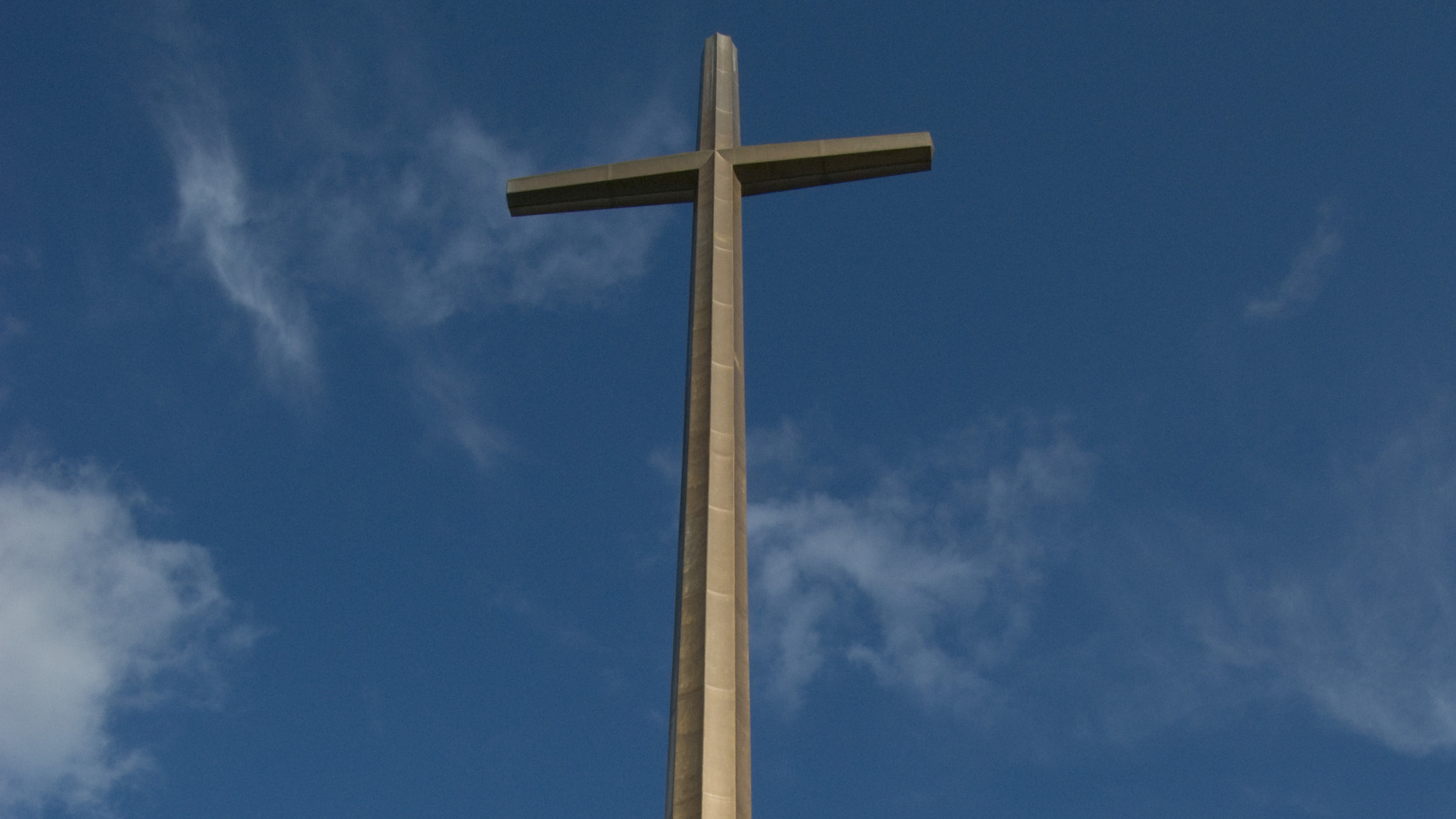
Video photo credits: Great Cross at Mission Nombre de Dios by Ebyabe, Wikimedia Commons, CC BY-SA 3.0; Fountain of Youth Timucua village by Michael Scialdone, Wikimedia Commons, CC BY 2.0.
Every November, someone at a Thanksgiving table around here brings this up. So here’s the story, what we actually know, and how to see it yourself.
What happened on September 8, 1565?
Menéndez’s fleet sighted the coast on August 28, 1565, the feast day of St. Augustine of Hippo, which gave the city its name. On September 8, the feast of the Nativity of the Blessed Virgin Mary, Menéndez came ashore and claimed the land for Spain.
According to the National Park Service, the landing party celebrated a Mass of thanksgiving as soon as they were ashore. Father López, the expedition’s chaplain, said that Mass. He later became St. Augustine’s first pastor. Afterward, Menéndez laid out a meal and invited the Seloy people as guests.
We don’t know what the Timucua guests thought of the ceremony. The Park Service notes that Father López wrote in his own account that “the Indians imitated all they saw done.”
Was it really the first Thanksgiving?
The Park Service calls it the first community act of religion and thanksgiving in the first permanent European settlement in North America. Those words trace back to historian Michael Gannon. He directed Mission Nombre de Dios in the 1960s and later taught history at the University of Florida. In his 1965 book The Cross in the Sand, Gannon wrote that it was “the first community act of religion and thanksgiving in the first permanent European settlement in the land.”
Gannon himself pointed out that “permanent” is the key word. Earlier Spanish explorers had given thanks after landing in Florida, and French Huguenots gave thanks at Fort Caroline, near today’s Jacksonville, in 1564. None of those settlements lasted. St. Augustine did. It’s the oldest continuously occupied European settlement in the continental United States.
The Park Service also points out that the 1565 meal didn’t start our national holiday. That grew from the English tradition of the Pilgrims’ 1621 harvest feast. President Lincoln made the last Thursday in November a national day of thanksgiving in 1863.
So the fair way to put it: St. Augustine had a thanksgiving Mass and a shared meal more than half a century before Plymouth, even if it isn’t where the turkey-and-parade holiday came from.
What was on the menu?
Honestly, nobody knows for sure. There’s no written menu.
Based on what the Spanish carried on their ships, the National Park Service says the meal was likely cocido. That’s a stew of salted pork and garbanzo beans seasoned with garlic, served with hard sea biscuits and red wine.
If the Seloy people brought food from their own stores, the Park Service says the table could also have included turkey, venison, gopher tortoise, fish like mullet, drum and sea catfish, plus corn, beans and squash. The Florida Museum at the University of Florida suggests corn, fish, oysters, venison, garbanzo beans, hardtack, olives and wine. Archaeologists have found food remains at the settlement, but nothing that ties to that one meal.
If you want a 1565-style dish this year, a pork-and-garbanzo stew is a fair nod to history. Just call it a good guess.
The Timucua of Seloy
The Timucua weren’t background characters. They lived here. Timucua-speaking communities lived across northeast and north-central Florida, and the Park Service dates the earliest evidence of their presence to around 3000 BC. They fished and gathered oysters along the coast, farmed corn, beans and squash, and hunted deer and turkey. They also made fine pottery and shell tools.
Seloy was a Timucua town near the inlet. Records and archaeology show that when the Spanish arrived, the Seloy people let them use part of their town. That included a large building, possibly a council house, which the Spanish fortified as their first fort.
What came next was hard. The Park Service says European diseases, war and slavery devastated the Timucua over the following decades. By 1700 only about 1,000 remained. The last survivors moved to Cuba with the Spanish or joined other Native groups, such as the Seminole. Historians are still researching whether Timucua descendants live in Cuba today. Remembering the shared meal means remembering the people who sat down to it, too.
Where to see it today: Mission Nombre de Dios
Mission Nombre de Dios sits on the waterfront off San Marco Avenue, just north of the historic district. The Mission says archaeological research points to the area near its Rustic Altar as the site of the 1565 Mass. The Park Service also places the Mass on the Mission grounds.
What to look for:
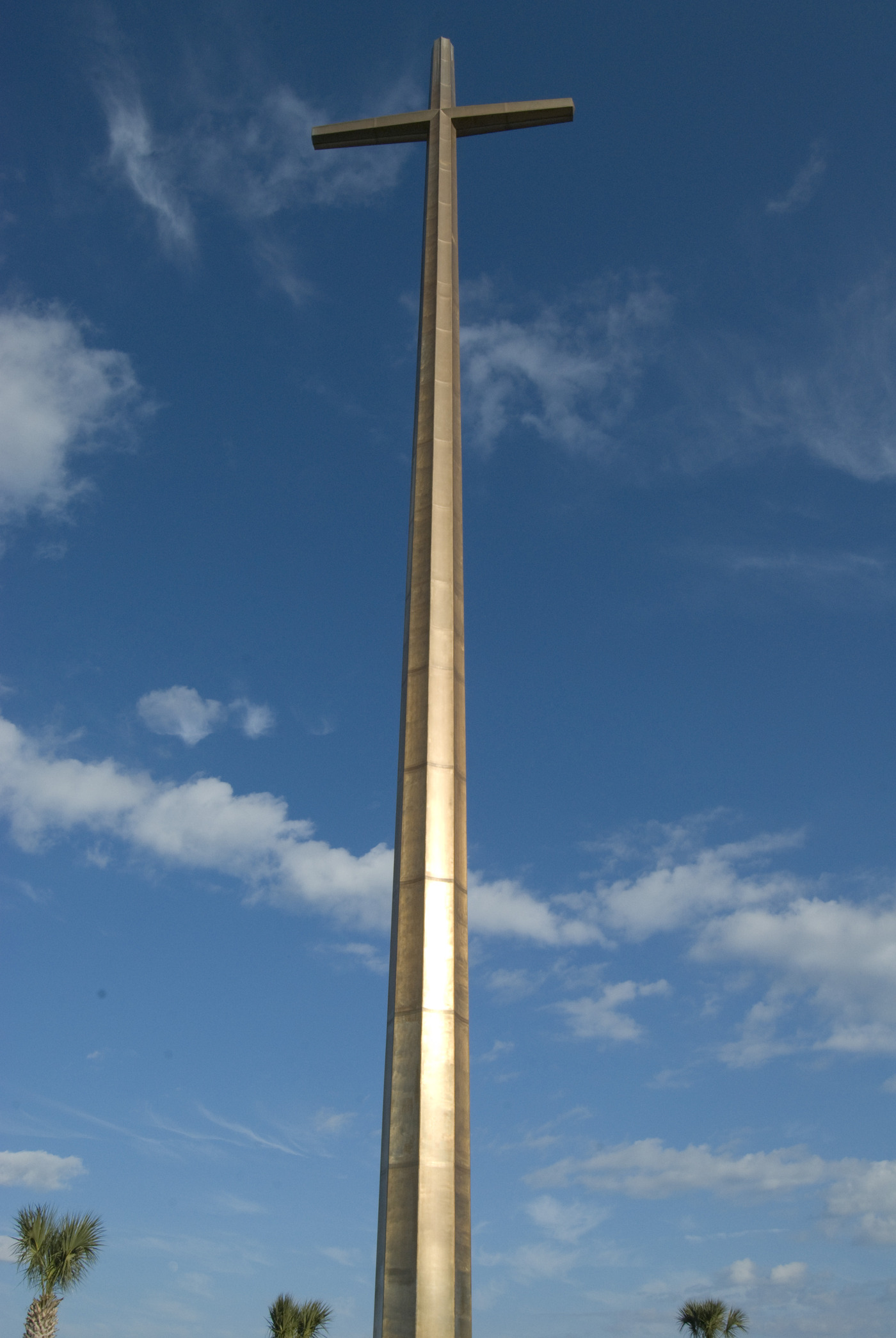
- The Great Cross. It’s a 208-foot stainless steel cross put up for the city’s 400th anniversary. Its cornerstone was laid on September 8, 1965.
- The Rustic Altar and the “sacred acre.” This is the area the Mission connects with that first Mass.
- The statue of Father López beneath the Great Cross.
- The Shrine of Our Lady of La Leche. The Mission calls this the oldest Marian devotion in the United States.
It’s an active shrine, so a little quiet goes a long way.
Where to see it today: Fountain of Youth Archaeological Park
The Fountain of Youth Archaeological Park is just next door, on Magnolia Avenue. University of Florida archaeologists have dug there since 1976. They found evidence of a Timucua village from before the Spanish arrived and of Menéndez’s 1565 settlement, including barrel wells, Spanish buttons and jewelry, and large wood-and-thatch buildings.
The park describes itself as the site of the first Thanksgiving. It has a reconstructed part of the Seloy town, with a Timucua family house and a meeting house, and living-history interpreters who talk about daily life in the village.
The two sites sit side by side, so it’s easy to see both in one morning. Check current hours and admission first.
Live like a local: make it a November tradition
One of my favorite things about living near St. Augustine is that the history isn’t behind glass. It’s down the street. A few easy ways to fold it into your holiday:
- Walk the waterfront at the Mission the morning after Thanksgiving, before downtown gets busy.
- Stay for the lights. The City of St. Augustine’s Nights of Lights season began with Light-Up! Night on Saturday, November 21, 2026, and runs through Monday, January 18, 2027. Pair an afternoon at the Mission with an evening stroll downtown.
- Mark your calendar for September. Each year around September 8, St. Augustine holds a Founder’s Day commemoration. In 2026 it included a landing reenactment and Mass at the Mission, a procession to the Fountain of Youth, and a reenactment of the first Thanksgiving meal.
- Bring out-of-town guests. It’s a nice answer to “what should we do this weekend?”
If you’re from Palm Coast or Flagler Beach, it’s an easy day trip north. If you’re thinking about living closer to all of this, my guides to living in St. Augustine and St. Augustine historic district homes are good places to start. For more seasonal events, see my St. Augustine community calendar guide.
Thinking about a move to St. Augustine or Palm Coast?
Whether you’re drawn to the old city, the beaches, or a quieter spot in Palm Coast, I’m happy to show you around and talk through what’s on the market. Call or text me at (904) 429-2829.
Marilynn Wolfe, REALTOR® | LPT Realty, LLC
You can also start with homes in St. Augustine and Palm Coast.
FAQ
When was the first Thanksgiving in St. Augustine?
September 8, 1565. After landing, Pedro Menéndez de Avilés and his settlers held a Catholic Mass of thanksgiving led by Father Francisco López de Mendoza Grajales. Then they shared a meal with the Timucua people of Seloy.
Was St. Augustine’s Thanksgiving before Plymouth?
Yes. It came 56 years before the Pilgrims’ 1621 harvest gathering at Plymouth. The National Park Service notes it didn’t become the source of the national holiday, which grew from the English tradition.
What did they eat at the 1565 Thanksgiving?
No menu survives. Based on the ships’ supplies, the National Park Service says it was likely cocido, a salted pork and garbanzo bean stew with garlic, plus hard sea biscuits and red wine. Timucua guests may have added local foods such as turkey, venison, fish, corn, beans and squash.
Where did the first Thanksgiving in St. Augustine take place?
On the waterfront just north of today’s historic district. The National Park Service and Mission Nombre de Dios place the Mass on the Mission grounds. The neighboring Fountain of Youth Archaeological Park holds the archaeological remains of Seloy and the 1565 Spanish settlement.
Can you visit the site of the first Thanksgiving?
Yes. Mission Nombre de Dios, with its Great Cross and Rustic Altar, and the Fountain of Youth Archaeological Park are next to each other off San Marco Avenue in St. Augustine. Check each site’s current hours and admission before you go.
Marilynn Wolfe, REALTOR® | Strategic Listing Agent | LPT Realty, LLC | (904) 429-2829 | Equal Housing Opportunity